
A story – It all started when I was a dishwasher. My very first job, and my very first job of many in a kitchen. In pursuit of going to college I later joined the army. My occupation in the armed forces? A cook. I had a plan. I would come out of the military and start using the GI Bill to go back to school, get an art degree. My next job, landed me where else? In a kitchen. Coming out of the Army I needed to get back to civilian life, and that life required that in my twenties I didn’t live at home with my parents. So, I started as a line cook in a popular casual dining restaurant.
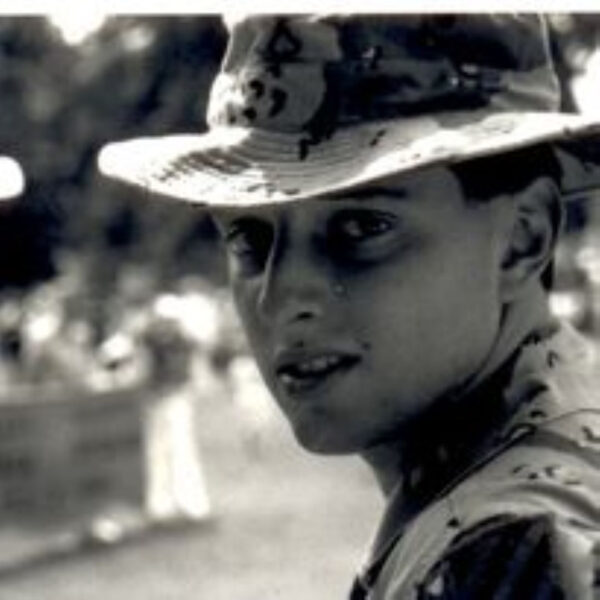
Resolution of the story – It’s now nearly 30 years later and I have yet to get back to art school – But I have come to realize that I have accomplished more of what I really find important than I had ever planned.
Which brings me to today’s topic: how the things we plan for aren’t always what we get.
It’s so easy to get into a rut and do the same old thing day in and day out. We can get pretty tired, both emotionally and physically. At twenty-something I had more going on. It was after I was back to being a civilian that I realized that I was feeling way more fatigue than a twenty something should be. I had chronic headaches, dizzy spells and even more scary short term memory loss. Fatigue, aches and pains in my joints and difficulty concentrating made the prospect of going back to school and holding down a full time job pretty intimidating. So I slipped into a full time work mode in one of the most wearing industry’s, the restaurant business. Any of you who have spent any time in the business know that it consists of long hours, and late nights followed by heavy indulging in alcohol. There’s a certain adrenalin rush working under such tremendous pressure, slinging food for dozens of people in under 20 minutes and being good at it. You become a junky for it and look for the next rush. I could ignore the symptoms or even pass them off as being overworked in that environment.
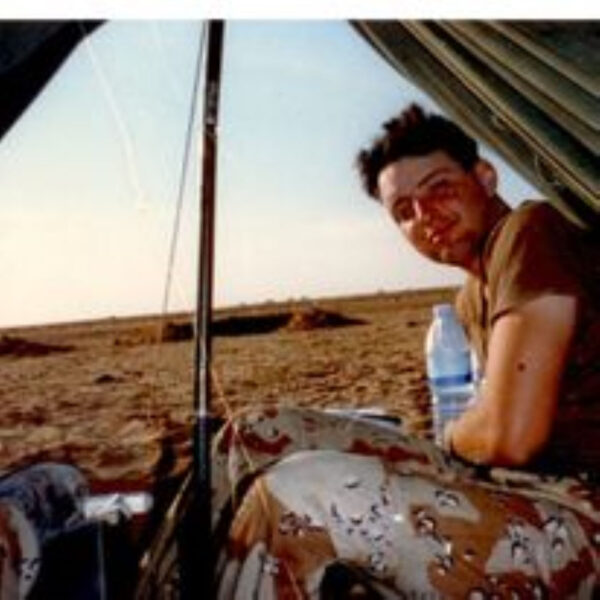
Then I found out I wasn’t alone.
Like so many other Gulf War Veterans I was suffering from a veritable buffet of symptoms being lumped into a diagnosis called Gulf War Syndrome.
I would end up visiting the VA hospital as the dizzy spells and the short term memory loss became too difficult to ignore. It was there I would meet a man who would change my life. He was a doctor and you would think that if a person changed your life you would remember their name. But I don’t. And he would leave the VA shortly after I became his patient. This doctor’s belief was that I, like so many other Gulf Vets, were suffering from something called Multiple Chemical Sensitivity. It can be called Environmental Illness. In short we all have an immune system to deal with the chemicals that surround us in our daily lives. Once we overload that immune system, much like our immune system we have to fight off common illnesses, we can get sick. Here’s the problem; once we overload our chemical immune system, or break that threshold, it cannot be repaired.
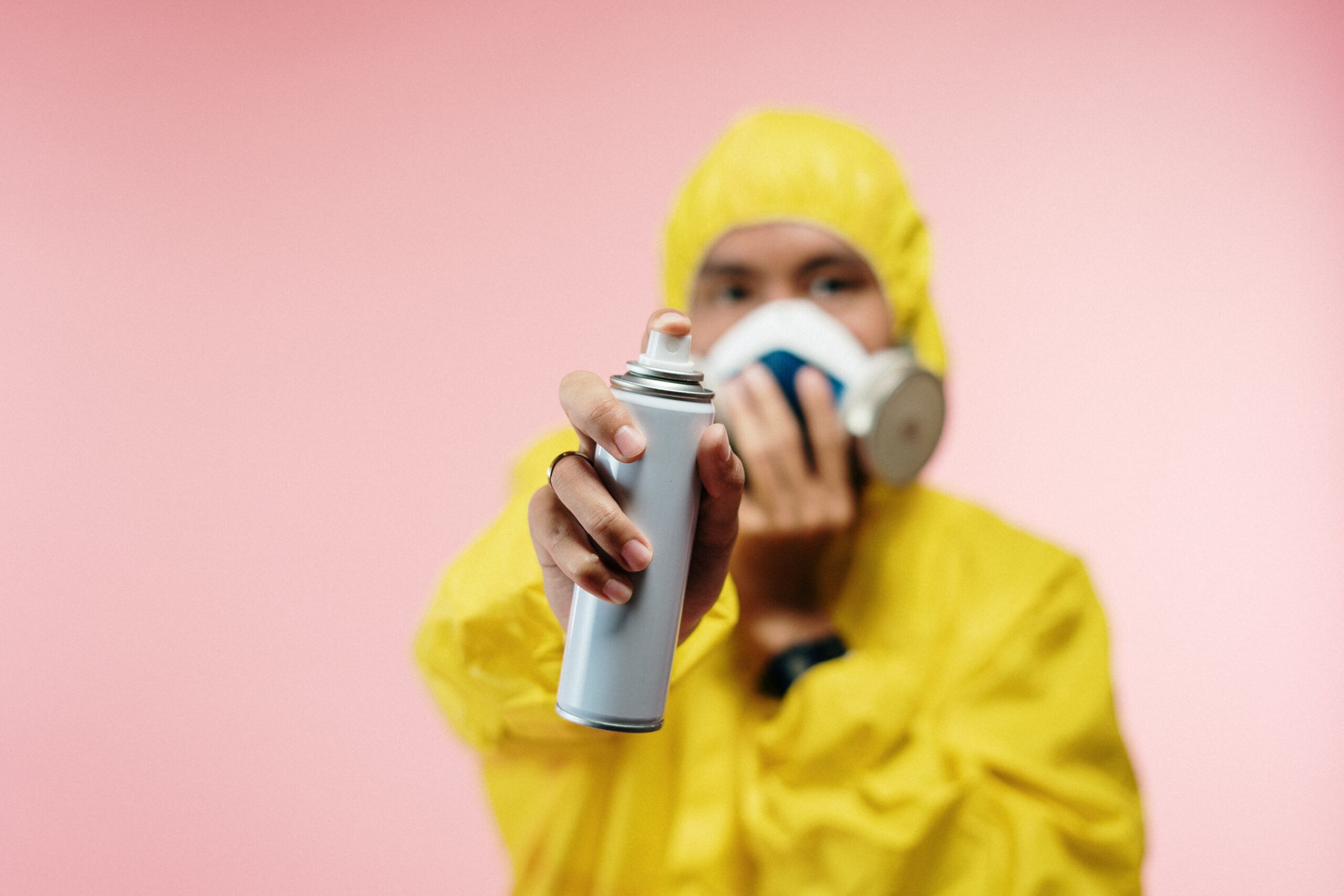
I still remember the doctors two hands forming a pyramid with his fingertips touching and when he said the phrase “break the threshold” his fingers curled inward. See, this was a diagnosis I never expected. I was sick. Then the doctor told me his theory. It didn’t include prescriptions, treatments or therapy. It required a change in lifestyle. A gradual elimination of all the things that made me feel the way I did, the things that caused the room to spin or for me to forget a conversation I had just had an hour or two before. First I needed to give up smoking, cut back or give up drinking completely, reduce my caffeine consumption and change the chemicals surrounding me in my home life. He suggested a regimen of vitamins and minerals, and to eat organically whenever possible. My toothpaste, my deodorant, my cologne, my shampoo, my soap, my shaving cream, my laundry detergent, my dish soap, all needed to be free of fragrances and petroleum based products. The clothes I wore, those needed to be 100% cotton as much as possible. The bed I slept and the pillow I slept on, the rug under my feet and the couch I sat on had more formaldehyde in them than a newly embalmed corpse.
All of these things were adding to my chemical overload. It was this doctor’s belief that by making these changes I would greatly reduce, if not eliminate the symptoms that were alarming me. We are all surrounded by these chemicals every day, everywhere we go. It is estimated that the air quality inside our homes is worse for us than the air outside our homes. The off-gassing of these toxins affects all of us in some way or another.

Think about this…
…have you ever felt like you had to hold your breath in the laundry detergent aisle of the grocery store? Have you ever gotten a headache from smells that are so strong you had to leave a building like an automotive tire dealership? Does the smell of bleach cause you to get light headed? Sound like the symptoms I had been dealing with?
Now, here I am nearly 30 years later healthier and wiser for the advice of the doctor who I cannot name. It didn’t come all at once and it even took some symptoms getting worse before I became a little more earnest about making changes. And had it not been for my brilliant wife, Aly, I may never made some other changes.
Gulf War syndrome has much in common with chronic fatigue syndrome (ME/CFS) and fibromyalgia (FMS) and is characterized by a constellation of unexplained symptoms, many neurological, including chronic pain, chronic fatigue, depression, sleep disturbances, poor memory and concentration, chemical sensitivities, as well as digestive disorders and lung problems. A combination of factors are thought to contribute to its development including multiple vaccinations given to soldiers prior to deployment (many containing potentially toxic adjutants such as squalene), psychological stress, and particularly exposure to low-level neurotoxins including sarin gas, drugs such pyridostigmine bromide (PB) given to soldiers to protect them from chemical warfare agents, pesticides used to treat tents, uniforms and vehicles, insect repellents (e.g. DEET), fumes from oil fields set ablaze by retreating Iraqi soldiers, and depleted uranium (DU) used in armor-piercing munitions by the allied forces.
Do you know someone who may suffer from MCS?
Do you have symptoms like the ones talked about here today? Do you have questions about the products you are using in your home and around your family? We would like to hear from you, email us your questions at thegreengrocerri@gmail.com.






Leave A Comment